
In the Spring 2012 issue of the Kansas Forestry Service’s newsletter, Kansas Canopy, the organization warns that due to a lack of snow cover through the winter, the soil may not be as moist as it should be, therefore leading to injuries to the root systems of trees.
Nicole Ricci, Forest Inventory and Forest Health Specialist, writes that trees may look normal this spring as they are using stored food energy to supplement themselves. The lack of moisture in the soil throughout the winter, in combination with above average temperatures, could make trees more susceptible to insect and disease issues like wood boring beetles. Additionally, Ricci notes that the warmer temperatures have allowed trees to become “more active” than normal, when compared to their activity (or lack thereof) during longer periods of freezing temperatures.
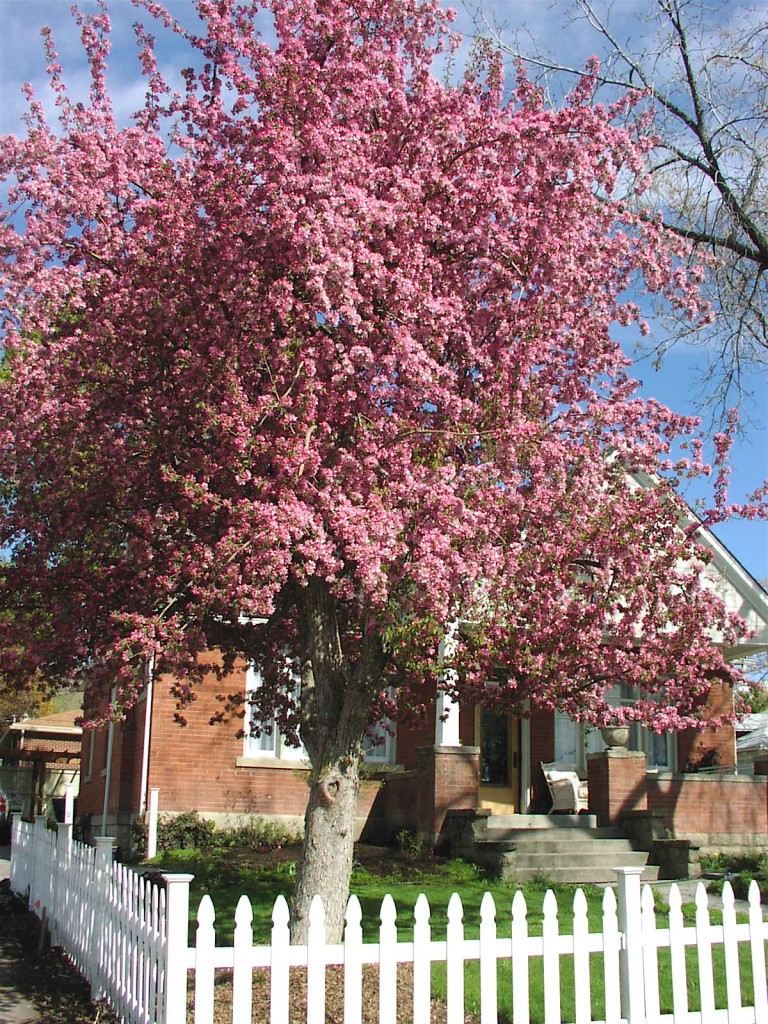
Ricci offers some advice to help provide trees with the moisture they have not received this winter, which is to water trees “when temperatures are above 40 degrees Fahrenheit during mid-day so that the water soaks into the soil to a minimum of 1 foot; the recommended depth is up to 2 feet. Do not allow a layer of ice to form around your tree because this could damage your lawn.”
As we prepare to transition to spring after a warmer than average winter, it’s important to have the experts at Cartwright Tree Care take a look at your trees. Our healthcare specialists are trained to spot problems that aren’t always obviously seen. Contact us today to schedule an evaluation – in Kansas at 913-341-3927 and in Missouri at 816-965-6758.